
Breast Implant Options for Augmentation in Singapore
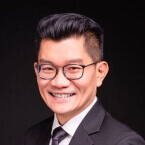
Dr Tan Ying Chien
MBBS, MMed (Surgery), MRCS (Edinburgh)
FAMS (Plastic Surgery)
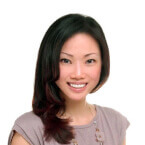
Dr Chia Hui Ling
MBBS, MMed (Surgery), MRCS (England)
FAMS (Plastic Surgery)
You may have spent weeks thinking about breast augmentation, browsing photos, reading stories online and imagining how subtle or noticeable you want the change to be. Yet when it comes time to speak with a surgeon, many patients realise the biggest decision is not the surgery itself, but the type of breast implant to choose.
Breast implants are not one-size-fits-all. The right option should complement your body, suit your lifestyle and align with how you want to look and feel after surgery. Read on as we explore the different breast implant options available in Singapore and what you should know before making a decision.
Understanding Breast Implants
Breast implants are medical devices designed to enhance or restore breast volume. They are commonly chosen for cosmetic breast augmentation and are also used in reconstruction following mastectomy or injury.
Implants differ in what they are filled with, how their outer shell is designed and how much projection they provide. These features affect how the breasts look, feel and move over time. Selecting an appropriate implant is a collaborative process between you and a trained surgeon, who considers your anatomy, daily activities and aesthetic preferences before making recommendations.
Main Types of Breast Implants
Before moving forward with surgery, it helps to understand the main types of breast implants available, including how they differ in material, shape and feel. This knowledge allows you to have a more informed discussion during your consultation and sets realistic expectations for your outcome.
Silicone Gel Implants
Silicone implants are filled with a cohesive silicone gel that closely resembles the feel of natural breast tissue. These implants tend to hold their shape well and are often chosen for their soft, consistent feel.
In Singapore, silicone implants are widely used for breast augmentation. As part of long-term care, surgeons may advise periodic imaging, such as ultrasound or MRI, to monitor implant integrity, even when no symptoms are present.
Saline Implants
Saline implants are filled with sterile salt water and may be inserted empty before being filled once positioned in the breast. This approach can allow for smaller incisions during surgery.
If a saline implant ruptures, the saline solution is absorbed harmlessly by the body, although the implant itself would need to be replaced. While silicone implants are more commonly selected, saline implants remain an option for certain patients, particularly those who prioritise incision size or benefit from volume adjustments during surgery.
Implant Shapes and Profiles
Beyond material, the shape and profile of an implant play a significant role in the final appearance of the breasts. These design features play a key role in how the breasts look, feel and settle over time.
- Round implants provide even fullness throughout the breast, including the upper portion, which can create a more enhanced or lifted appearance. This option may suit patients who prefer a more noticeable change.
- Teardrop or anatomical implants are designed to slope gently from top to bottom, creating a softer contour that many patients feel appears more natural.
- Implant profiles, such as low, moderate or high, describe how far the implant projects from the chest wall. The most suitable profile depends on chest width, existing breast tissue, skin elasticity and the desired level of enhancement.
A breast implant doctor can guide you through these considerations and recommend proportions that complement your body frame and aesthetic goals.
Motiva Implants
Motiva implants are one of the options available for breast augmentation in Singapore. They contain a cohesive silicone gel housed within a smooth, flexible shell designed to adapt to body movement while maintaining structural integrity.
These implants are available in a range of sizes and profiles, allowing them to be tailored to different breast shapes and tissue characteristics. Their design focuses on comfort and natural movement during everyday activities.
During your consultation, the breast surgeon will assess whether Motiva implants are suitable by examining your anatomy, reviewing your medical history and discussing your expectations. This conversation often covers implant placement, incision location, how the implants may feel and how they will be monitored over time.
Surface and Shell Types
The outer surface of a breast implant also affects how it interacts with surrounding tissue. The most appropriate surface type is determined after assessing factors such as tissue quality, body structure and overall surgical goals.
- Smooth implants are designed to move more freely within the breast pocket and can offer a softer, more fluid feel.
- Microtextured or nanosurface implants are created to help the implant remain stable and reduce excessive movement.
Safety and Monitoring
Breast implants are regulated medical devices and must meet established quality and safety standards. Before undergoing surgery, patients should ensure their implants are approved by relevant health authorities and that the procedure is performed in an MOH-accredited facility.
Regular follow-up appointments are also an important part of long-term care. Imaging such as ultrasound or MRI may be recommended periodically to detect silent ruptures or changes in the implant shell. If you notice discomfort, swelling or changes in breast shape, you should contact your surgeon for assessment. Ongoing monitoring is a key part of maintaining implant safety and overall breast health.
Alternatives to Breast Implants
In some cases, patients may also consider fat transfer breast augmentation, also known as fat grafting, as an alternative to implants. This technique involves removing fat from another area of the body and injecting it into the breasts to increase volume.
Fat transfer typically produces a more subtle enhancement compared to implants and may appeal to those seeking a modest change using their own tissue. Suitability depends on factors such as desired outcome, body composition and available donor fat.
Speak to a Breast Implant Doctor at SW1 Plastic Surgery
Choosing a breast implant is a personal decision that goes beyond size or shape. It is about understanding your body, feeling comfortable with your choices and knowing you are supported at every stage of the process. With the right guidance, you can approach breast augmentation with clarity, confidence and realistic expectations.
At SW1 Plastic Surgery, our surgeons take the time to understand your goals, assess your anatomy and explain suitable implant options clearly and honestly, so you can make an informed decision at your own pace. Contact us today to schedule a consultation.
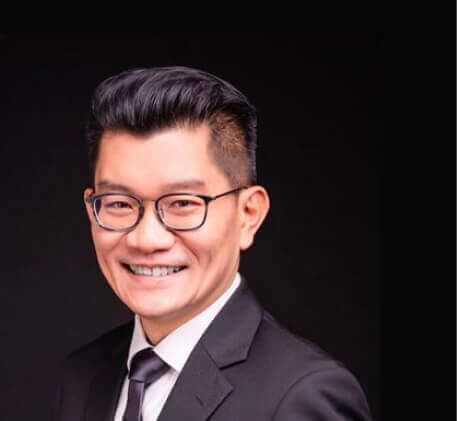
Dr Tan Ying Chien
MRCS (Edinburgh)
FAMS (Plastic Surgery)
Dr Tan Ying Chien is an experienced plastic surgeon since 1996, who trained in Singapore, Taiwan, and Japan, where he developed his skills in cleft, jaw, and cosmetic surgery, with a special interest in breast augmentation surgery.
His meticulous nature and passion for aesthetics led him into the field of plastic surgery, where he tailors cosmetic breast surgeries to each patient’s physique. With a patient and warm-hearted approach, Dr Tan is well respected by both his peers and patients.
Dr Tan is also a passionate volunteer who provides pro bono ear reconstructive surgery for needy patients at both KK and SGH. He is part of Operation Smile, a charitable organization that organizes medical missions to help children suffering from cleft lip and palate deformities.
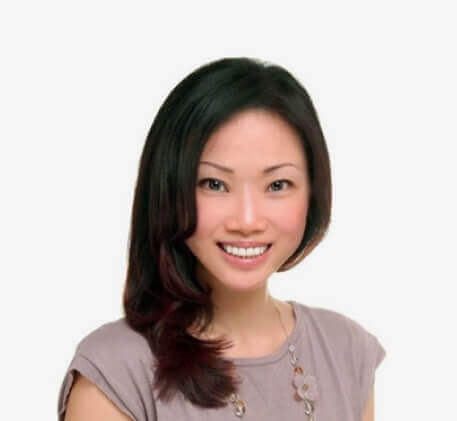
Dr Chia Hui Ling
MRCS (England)
FAMS (Plastic Surgery)
Dr Chia Hui Ling is a skilled plastic surgeon who specialises in breast reconstruction, paediatric plastic surgery, and cosmetic surgery – including breast augmentation surgery. Dr Chia Hui Ling's surgical experience spans across the UK, Singapore, and South Korea, where she received prestigious fellowship awards in plastic surgery at Seoul National University Hospital (SNUH) - JW Lee Centre for Global Medicine Fellowship Award, and in the UK-AO Craniomaxillofacial Fellowship Award.
Her detailed approach and compassionate nature have earned her multiple awards including the Service from The Heart, Best Registrar and Best Medical Officer awards. She is also the co-founder of Breast Reconstruction Awareness Singapore (BRAS), a non-profit society supporting breast cancer survivors, and a volunteer plastic surgeon with Smile Asia.
to enhance the appearance of each individual’s bust.
Send us an enquiry today.
Mon - Fri | : 9am-5pm |
Saturday | : 9.30am-12.30pm |
Sunday & Public Holiday | : Closed |
| Tel | : +65 6690 2471 |
| : +65 8299 7588 |