How Do Surgeons Choose Breast Implant Sizes for Long-Term Results?
Dr Tan Ying Chien
Consultant Plastic Surgeon
MBBS, MMed (Surgery), MRCS (Edinburgh)
FAMS (Plastic Surgery)
Dr Wu Yijun
Consultant Plastic Surgeon
MBBS, MMed (Surgery), MRCS (Edinburgh)
FAMS (Plastic Surgery)
After undergoing a breast implant procedure, the appearance of your breasts may still continue to change with age, weight fluctuations or pregnancy. This makes it important for breast surgeons to select and recommend an implant that complements your current body proportions while considering how those proportions may change over time.
For women considering breast implants in Singapore, understanding how plastic surgeons approach implant selection can help clarify why the size you prefer may not always be the most suitable choice, and what factors need to be prioritised to achieve safe, comfortable results.
What Key Factors Determine a Suitable Breast Implant Size?
Many women consider breast augmentation because they wish to have fuller breasts, often entering their surgical consultations with a preferred cup size in mind. However, bra cup sizes are not standardised, and the same implant volume can produce different results depending on a woman’s existing breast tissue, chest dimensions and body frame.
Choosing a suitable size therefore involves understanding how an implant will fit within the existing breast structure, as well as whether the surrounding tissues can accommodate the desired increase in volume.
Several anatomical and lifestyle factors influence which implant size may be most appropriate, including:
- Chest width and ribcage dimensions: Help determine which implant widths can fit within the natural breast footprint.
- Existing breast tissue volume and distribution: Affect implant coverage and the resulting breast shape.
- Skin elasticity and thickness: Influence how the surrounding tissues accommodate and support an implant.
- Body proportions: Shoulder width, waist and overall body frame can affect how prominent the breasts appear following augmentation.
- Lifestyle and activity level: Regular sports, strenuous exercise and physically demanding work may influence considerations around implant size and comfort.
Together, these factors help establish a suitable range of implant sizes before the surgeon and patient discuss the desired appearance in greater detail.
How Implant Size Affects Long-Term Breast Appearance
The effects of breast implant size extend beyond the initial surgical results, particularly as the breasts undergo natural changes over time. Two important considerations are how the surrounding tissues change and the additional weight they must support.
Changes in Breast Appearance Over Time
Ageing, pregnancy and weight fluctuations can all affect breast appearance after augmentation. For example, declining skin elasticity may contribute to sagging, while pregnancy or significant weight changes can stretch the skin and alter the amount of natural breast tissue surrounding the implants.
As these changes occur, the breasts may gradually look different from their initial postoperative appearance. Breast implants cannot prevent these natural changes, so selecting a suitable size involves considering how the results may evolve in the years following surgery.
Effects of Implant Size on Supporting Tissues
Larger breast implants generally add more weight to the breasts, which can place additional strain on the skin and supporting tissues. Over time, this may contribute to stretching, changes in breast position or increased implant visibility, particularly in women with thinner breast tissue or reduced skin elasticity.
An implant that is too large for the available tissue may also increase the likelihood of complications such as implant displacement or bottoming out, where the implant settles too low on the chest. Selecting an implant that can be adequately accommodated by the existing breast structure helps limit unnecessary strain on the tissues.
How Surgeons Personalise Breast Implant Selection
After considering these anatomical and lifestyle factors, your breast surgeon can narrow down the available implant options to those that suit your body and desired appearance. The next step is to compare implant dimensions, materials and designs to identify which options can accommodate your desired degree of enhancement.
Matching Implant Dimensions to Breast Anatomy
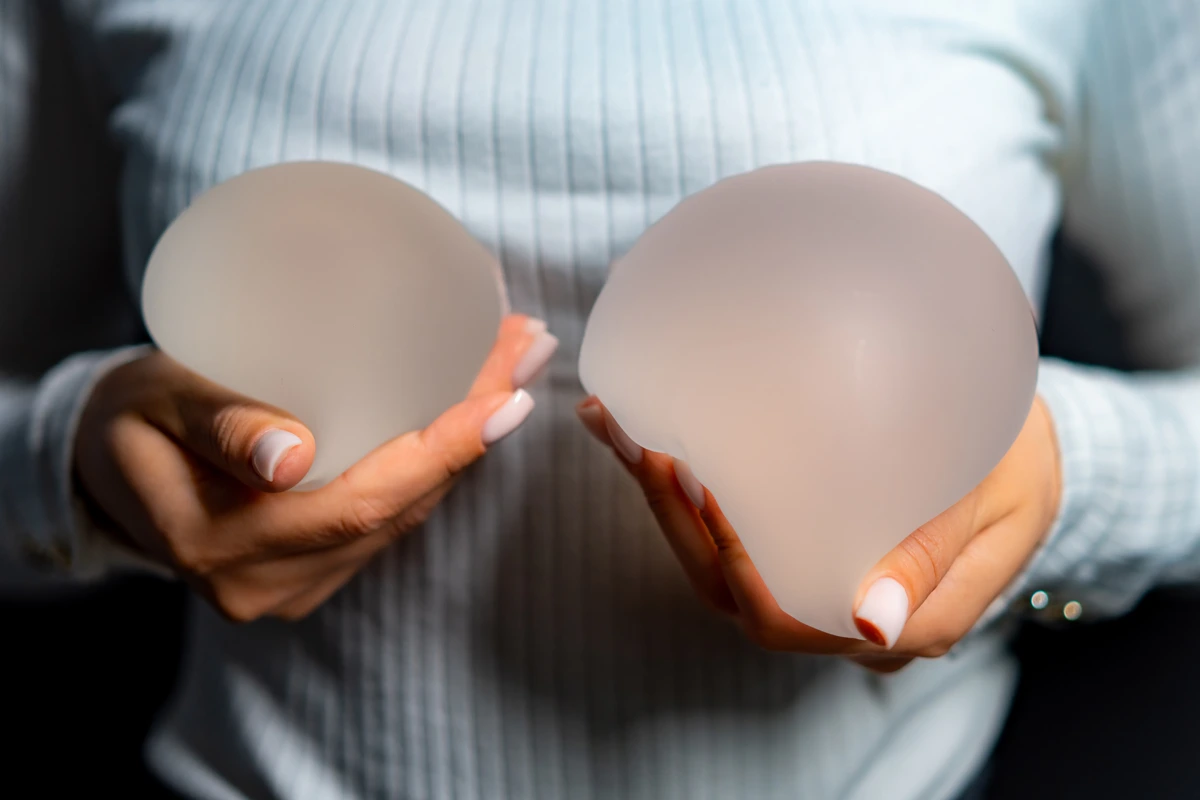
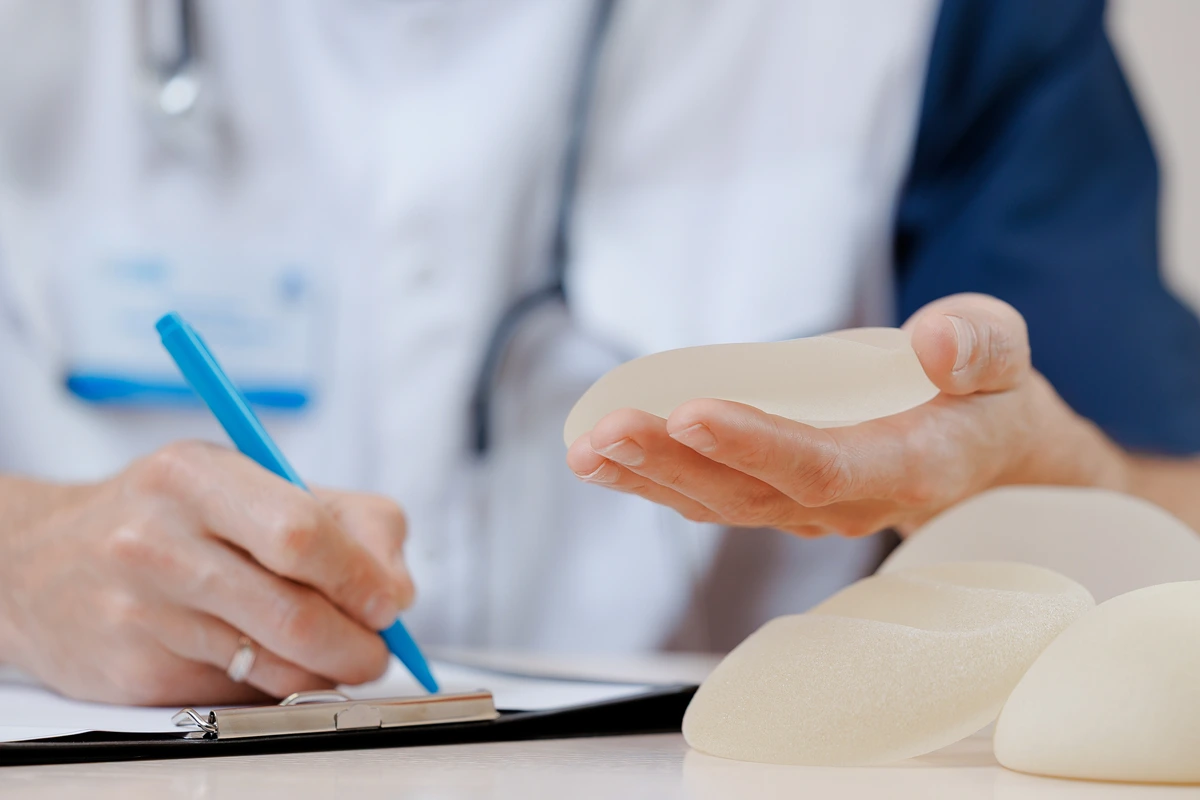
Breast implants are available in different volumes, widths and projections, which collectively determine their overall shape and how they sit within the breasts.
Volume refers to the amount of material within an implant, measured in cubic centimetres (cc), while width describes the diameter of its base. The implant’s width is selected with reference to the natural breast footprint to help achieve an appropriate fit. Projection describes how far the implant extends forward from its base, influencing the fullness and prominence of the breasts when viewed from the side.
For example, two implants with the same volume may have different widths and projections, producing noticeably different appearances. Your surgeon considers these measurements together to identify a combination that provides your preferred degree of enhancement while remaining suitable for your breast structure.
Comparing Implant Types and Technologies
The different types of breast implants available provide further options for personalising breast augmentation. Silicone implants contain a cohesive gel designed to resemble the feel of natural breast tissue, while saline implants are filled with sterile saltwater and tend to feel firmer. These differences can influence the appearance, feel and suitability of each option.
Beyond filling material, implant brands offer different shapes, profiles and design features. For example, Motiva implants are silicone gel implants available in various profiles, including the Ergonomix range, which is designed to change shape with body position for more natural-looking movement.
Considering Additional or Alternative Breast Procedures
In some cases, breast implants alone may not achieve the patient’s desired appearance, particularly when there are concerns about breast sagging or a preference for enhancement without implants. Your surgeon may recommend additional or alternative breast procedures to address these needs.
For women with significant breast sagging, a breast lift may be performed alongside augmentation to improve breast position while adding fullness. Alternatively, fat transfer breast augmentation uses liposuction to remove fat from areas such as the abdomen or thighs before transferring it to the breasts. This may be suitable for women seeking a more modest increase in volume without implants, provided they have sufficient donor fat.
Achieving Balanced Breast Augmentation Results With SW1 Plastic Surgery
Ultimately, choosing the right breast implant size means finding a balance between your desired appearance and what is appropriate for your body. Your surgeon must consider your anatomy, surgical safety and the need to maintain a proportionate appearance over time when making their recommendations.
As a result, your preferred implant size may not always be achievable or advisable. Understanding the reasons behind these recommendations can help you make an informed decision, even when it means compromising on your initial expectations.
At SW1 Plastic Surgery, Consultant Plastic Surgeons Dr Tan Ying Chien and Dr Wu Yijun work closely with patients to understand their preferences and recommend breast augmentation options that prioritise both aesthetic outcomes and long-term well-being.
If you are considering breast implants in Singapore, book a consultation with our team to discuss your preferred results, address any concerns and receive guidance on the options available to you.
Frequently Asked Questions (FAQs) About Breast Implants
What happens if I want a different implant size in the future?
If you decide you would like a larger or smaller implant later, your surgeon can assess whether revision breast augmentation is appropriate and discuss the available options based on your current anatomy.
Can I bring photos of my desired breast augmentation results to my consultation?
Yes. Reference photos can help communicate your aesthetic preferences and give your surgeon a better understanding of the look you hope to achieve. While no two bodies are the same, these images can support a discussion about what is realistically achievable based on your anatomy.
How should I prepare for a breast augmentation consultation?
Preparing a list of questions, discussing your medical history honestly and thinking about your aesthetic goals can help you get the most out of your consultation. Wearing comfortable clothing and bringing previous breast imaging or surgical records, if applicable, may also support a more comprehensive assessment.
Meet Our Doctors
Dr Tan Ying Chien
MRCS (Edinburgh)
FAMS (Plastic Surgery)
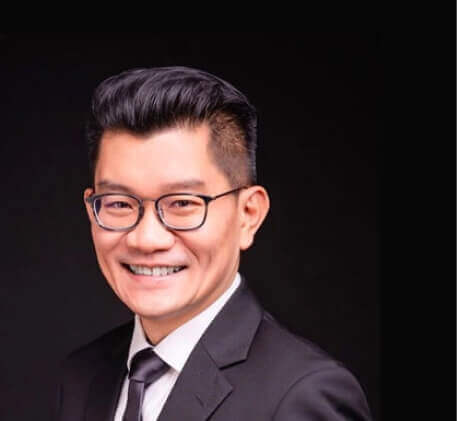
Dr Tan Ying Chien is an experienced plastic surgeon who has practised since 1996. He trained in Singapore, Taiwan and Japan, developing his expertise in cleft, jaw and cosmetic surgery, with a special interest in breast augmentation.
His meticulous nature and passion for aesthetics led him into the field of plastic surgery, where he tailors cosmetic breast surgeries to each patient’s physique. With a patient and warm-hearted approach, Dr Tan is well respected by both his peers and patients.
Dr Tan is also a passionate volunteer who provides pro bono ear reconstructive surgery for needy patients at both KK and SGH. He is part of Operation Smile, a volunteer-based nonprofit that organises medical missions to help children suffering from cleft lip and palate deformities.
Dr Wu Yijun
MRCS (Edinburgh)
FAMS (Plastic Surgery)
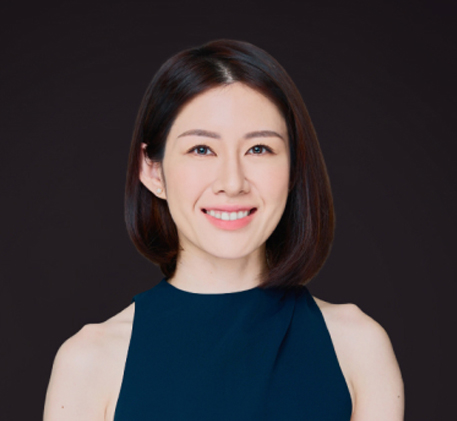
Dr Wu Yijun is an MOH-accredited plastic surgeon with over 15 years of experience, and a special interest in reconstructive microsurgery and aesthetic breast surgery. She combines technical precision with a personalised approach to help women achieve natural-looking results.
Dr Wu has undertaken advanced training in America, South Korea, Taiwan and Japan to further develop her expertise in reconstructive and aesthetic surgery. She is also passionate about medical education, having served as a core faculty member in the National Plastic Surgery Residency Programme and received the SingHealth Residency in SingHealth Excels (RiSE) Outstanding Faculty Award. Dr Wu continues to serve as a Visiting Consultant at Woodlands Hospital while advocating holistic, patient-centred care.
to enhance the appearance of each individual’s bust.
Send us an enquiry today.
Mon - Fri | : 9am-5pm |
Saturday | : 9.30am-12.30pm |
Sunday & Public Holiday | : Closed |
| Tel | : +65 6690 2471 |
| : +65 8299 7588 |