How Pregnancy, Weight Changes and Ageing Affect Breast Surgery Planning

Dr Tan Ying Chien
Consultant Plastic Surgeon
MBBS, MMed (Surgery), MRCS (Edinburgh)
FAMS (Plastic Surgery)

Dr Wu Yijun
Consultant Plastic Surgeon
MBBS, MMed (Surgery), MRCS (Edinburgh)
FAMS (Plastic Surgery)
Throughout your life, you may notice changes in your breast size, shape and firmness due to factors such as pregnancy, weight fluctuations and natural ageing. These changes are a natural part of life, influenced by factors such as hormonal fluctuations, changes in breast tissue and declining skin elasticity.
If you end up considering breast surgery for aesthetic or medical reasons, these natural changes will likely become important factors in planning your procedure. Your current breast anatomy, future pregnancy plans and potential weight changes can all influence the type of surgery recommended, when it may be appropriate to undergo the procedure and how your results may change over time. Discussing these considerations with your breast surgeon can help you plan for both your immediate needs and longer-term goals.
How Pregnancy Can Influence Breast Surgery Planning
Pregnancy can affect breast size, shape and firmness through hormonal changes, increased breast volume and stretching of the skin. After childbirth and breastfeeding, the breasts may lose fullness, appear less firm or appear to be sagging as the tissues adjust. These changes are important considerations when planning breast surgery, particularly for women looking to restore breast volume or address changes in breast appearance through breast augmentation.
Hormonal Changes and Breast Volume
During pregnancy, hormonal changes stimulate the development of breast tissue in preparation for breastfeeding. This often causes the breasts to become larger and fuller. After childbirth and breastfeeding, the breasts may gradually lose some of this fullness as milk-producing tissue decreases. Some women notice that their breasts appear smaller or less full than before pregnancy.
Skin Stretching and Loss of Firmness
As the breasts enlarge during pregnancy, the surrounding skin and supporting tissues stretch to accommodate the increased volume. Following childbirth or breastfeeding, the skin may not fully retract as breast volume decreases, potentially leaving the breasts looking less firm or more saggy.
While augmentation can restore or increase fullness, it does not reliably correct significant breast sagging. Women with noticeable drooping or a lower nipple position may benefit from a breast lift, either on its own or combined with augmentation.
Breastfeeding and Post-Pregnancy Recovery
Breast size and shape may continue to change throughout breastfeeding and after weaning, as milk production gradually stops and breast tissue adjusts. It can take several months for these changes to stabilise, which is why the appearance of the breasts immediately after childbirth may not reflect their longer-term shape.
For women considering aesthetic breast surgery after pregnancy, waiting until breastfeeding has ended and breast size has stabilised can help avoid planning a procedure while the breasts are still undergoing significant changes.
How Weight Changes and Ageing Affect Breast Surgery Planning
Weight changes and ageing are two important factors that can influence how the breasts look over time, both before and after surgery.
Weight Fluctuations and Breast Volume
Breast tissue contains a significant proportion of fat, so weight changes can affect breast size and shape. While implants remain the same size, changes in the surrounding breast tissue may alter the overall appearance, particularly after significant weight loss.
Large weight fluctuations can also stretch the skin or reduce breast firmness and contour. Maintaining a relatively stable weight before surgery may help support more predictable and consistent results.
Ageing and Changes in Breast Appearance
As part of the natural ageing process, the breasts gradually change as skin loses elasticity, collagen production declines and gravity affects breast position. Breast tissue may also redistribute, altering fullness and contour.
These are normal biological changes rather than complications of surgery and may continue to affect breast appearance even after a procedure.
Changes in Breast Tissue Composition
As women age, particularly during and after menopause, hormonal changes can cause glandular breast tissue to decrease and be gradually replaced by fatty tissue. This can affect breast density, fullness and overall contour, sometimes making the breasts appear softer or less firm.
For women considering breast augmentation, this is an important consideration, as changes in composition can affect how naturally the implants blend with the surrounding breasts.
How Surgeons Create a Personalised Breast Surgery Plan
Breast surgeons consider your existing breast anatomy, previous body changes and future plans when recommending a procedure. These assessments help determine which surgical approach can address your concerns while accounting for how your breasts may change over time.
Assessing Breast Anatomy and Tissue Quality
During the initial consultation, the breast surgeon will review your medical history and conduct a physical examination to assess your breast anatomy. This includes taking breast measurements, evaluating skin elasticity and examining the amount of existing breast tissue, nipple position and breast symmetry.
These findings help identify anatomical factors that may influence the choice of procedure, including the suitability of breast implants and whether sagging or asymmetry may require additional correction.
Aligning Surgical Results with Patient Expectations
Your surgeon will discuss your preferred breast size, shape and overall appearance to understand what you hope to achieve through surgery. They will also explain what can realistically be accomplished, including the limitations of different procedures and any trade-offs between your desired appearance and existing breast characteristics.
This discussion also provides an opportunity to consider how future pregnancies, weight fluctuations and ageing may affect your results, helping you establish realistic expectations for both the immediate outcome and longer-term breast appearance.
Selecting the Surgical Approach and Timing
Based on your physical assessment and treatment goals, your surgeon will recommend an appropriate procedure and surgical technique. For breast augmentation, this includes selecting a suitable implant size and placement based on factors such as breast dimensions, tissue thickness and the desired degree of fullness. Patients with thinner breast tissue, for example, may require particular consideration of implant placement to minimise visible implant edges.
The timing of surgery is also considered, particularly if you are planning a pregnancy or undergoing significant weight loss. In these circumstances, your surgeon may recommend waiting until your breast size and shape have stabilised before proceeding with elective surgery.
Discuss Your Breast Surgery Options With SW1 Breast Clinic
Breast surgery is a personal decision, and it is important to feel comfortable with both your reasons for considering it and the results you hope to achieve. Taking the time to understand your options, as well as the factors that affect them, can help you approach surgery with greater confidence and realistic expectations.
At SW1 Plastic Surgery, Consultant Plastic Surgeons Dr Tan Ying Chien and Dr Wu Yijun are committed to providing attentive, patient-centred care throughout your surgical journey, from your initial consultation to postoperative recovery.
Schedule a consultation with Dr Tan or Dr Wu to discuss your concerns, ask questions about the procedure and recovery, and receive guidance on the next steps towards breast surgery.
Frequently Asked Questions (FAQs) About Factors That Influence Breast Surgery Planning
Can my exercise routine affect breast surgery planning?
Yes. If you regularly perform chest-intensive exercises, such as weightlifting or bodybuilding, your surgeon may consider how implant placement could affect pectoral muscle movement and comfort. Implants placed beneath the chest muscle can sometimes shift visibly during muscle contraction. Your exercise routine can also influence recovery planning, as strenuous upper-body activities must be temporarily restricted while the surgical area heals.
Does having naturally uneven breasts affect surgical planning?
Yes. Breast asymmetry is common, and differences in breast size, shape or nipple position may influence the surgical approach. Your surgeon may recommend different implant sizes or additional techniques to improve breast balance. However, complete symmetry is not always achievable, particularly when there are underlying differences in breast anatomy.
Will I need another breast surgery procedure as I get older?
Not necessarily. Although ageing, weight changes and pregnancy can alter breast appearance after surgery, these changes do not automatically mean that a corrective procedure is required. Some patients may choose additional surgery to address new concerns about breast position or shape, while those with implants may eventually need replacement or removal due to implant-related complications or other reasons.
Meet Our Doctors
Dr Tan Ying Chien
MRCS (Edinburgh)
FAMS (Plastic Surgery)
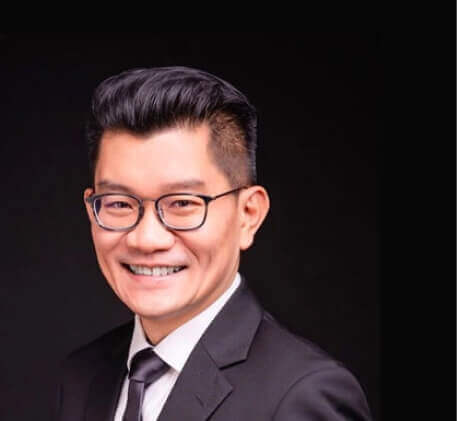
Dr Tan Ying Chien is an experienced plastic surgeon who has practised since 1996. He trained in Singapore, Taiwan and Japan, developing his expertise in cleft, jaw and cosmetic surgery, with a special interest in breast augmentation.
His meticulous nature and passion for aesthetics led him into the field of plastic surgery, where he tailors cosmetic breast surgeries to each patient’s physique. With a patient and warm-hearted approach, Dr Tan is well respected by both his peers and patients.
Dr Tan is also a passionate volunteer who provides pro bono ear reconstructive surgery for needy patients at both KK and SGH. He is part of Operation Smile, a volunteer-based nonprofit that organises medical missions to help children suffering from cleft lip and palate deformities.
Dr Wu Yijun
MRCS (Edinburgh)
FAMS (Plastic Surgery)
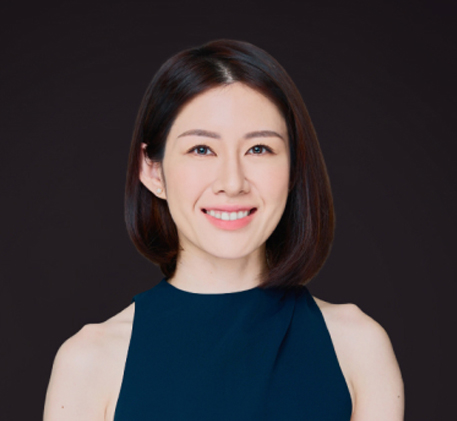
Dr Wu Yijun is an MOH-accredited plastic surgeon with over 15 years of experience, and a special interest in reconstructive microsurgery and aesthetic breast surgery. She combines technical precision with a personalised approach to help women achieve natural-looking results.
Dr Wu has undertaken advanced training in America, South Korea, Taiwan and Japan to further develop her expertise in reconstructive and aesthetic surgery. She is also passionate about medical education, having served as a core faculty member in the National Plastic Surgery Residency Programme and received the SingHealth Residency in SingHealth Excels (RiSE) Outstanding Faculty Award. Dr Wu continues to serve as a Visiting Consultant at Woodlands Hospital while advocating holistic, patient-centred care.
to enhance the appearance of each individual’s bust.
Send us an enquiry today.
Mon - Fri | : 9am-5pm |
Saturday | : 9.30am-12.30pm |
Sunday & Public Holiday | : Closed |
| Tel | : +65 6690 2471 |
| : +65 8299 7588 |