What Factors Influence Breast Implant Selection?
Dr Tan Ying Chien
MBBS, MMed (Surgery), MRCS (Edinburgh)
FAMS (Plastic Surgery)

Dr Wu Yijun
MBBS, MMed (Surgery), MRCS (Edinburgh)
FAMS (Plastic Surgery)
You may have a clear idea of how you would like your breasts to look, yet feel uncertain when faced with different implant options. Perhaps you want a modest increase in size, or more fullness at the top of your breasts. Knowing the result you prefer does not necessarily tell you which implant could achieve it.
When considering breast implants in Singapore, the starting point is to understand how your preferred result translates into implant options that may suit your existing anatomy.
How Does Your Desired Look Influence Implant Selection?
Describing the change you want helps the surgeon identify which implant features to compare. Size and contour are considered separately, as a fuller breast can take different shapes.
Implant Volume for a Subtle or More Noticeable Increase
Implant volume is measured in cubic centimetres (cc). A larger volume generally adds more fullness, but how noticeable that change looks depends on the amount of existing breast tissue and the patient’s overall proportions.
It is therefore more useful to describe how much of a change you want than to focus on a particular number of cc. A target cup size is also only a rough guide because bra sizing varies between brands.
The surgeon can then narrow the volume range that may suit the intended change and your existing proportions.
Implant Shape for Upper-Breast Fullness or a Sloping Contour
If you want more fullness in the upper part of the breast, round implants may be considered. Depending on their dimensions, they can create either a fuller upper contour or a gentler slope.
If you prefer more fullness towards the lower part of the breast with a gradual slope above, anatomically shaped, or teardrop, implants may be considered. Their orientation matters, as rotation can change the breast’s shape and affect the contour the implant was chosen to create.
Your existing breast shape also affects how either implant shape may appear once placed.
Implant Filling for the Preferred Feel
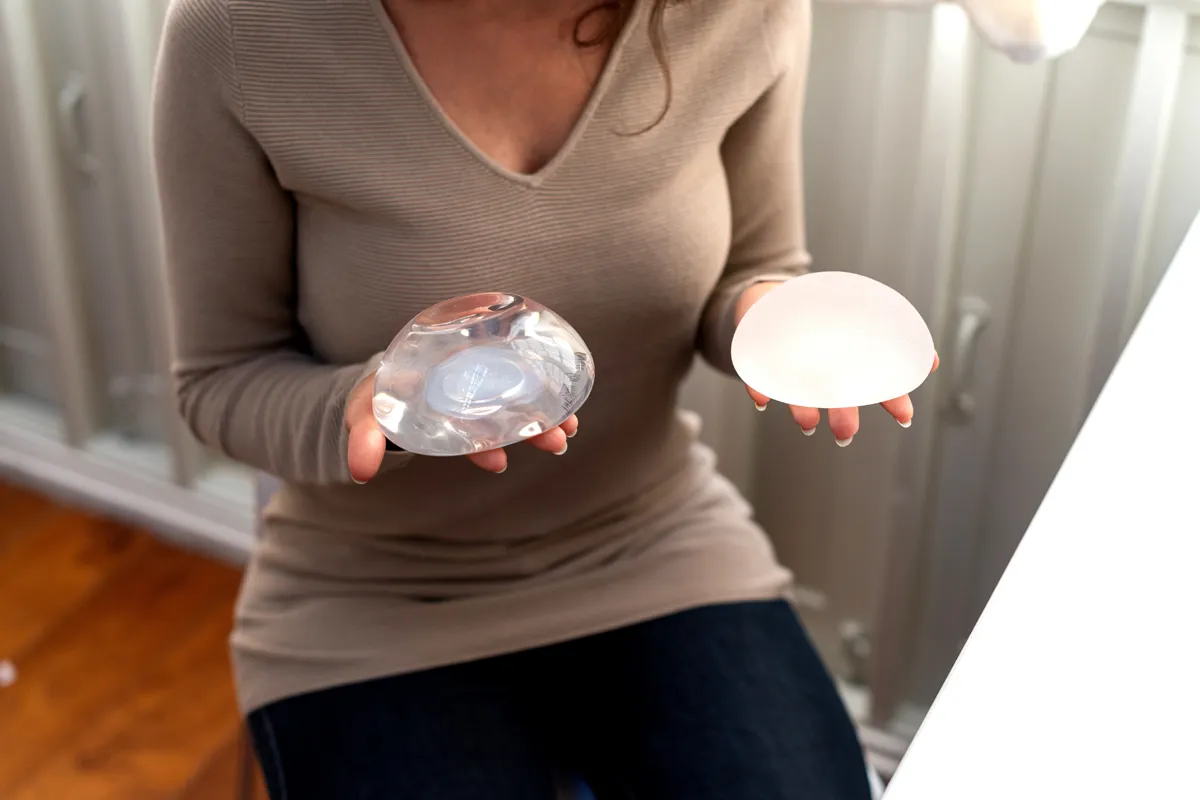
If a softer feel is important to you, silicone gel implants may be considered. The gel varies in firmness between designs, so some feel softer while others are designed to hold their shape more firmly.
Motiva implants such as Ergonomix 2 are silicone gel implants designed with softness and movement in mind. Their contour can also change with body position.
If you prefer a firmer feel, saline implants may be considered. They contain sterile salt water inside a silicone shell and have different feel and movement characteristics from silicone gel implants. The differences in feel between silicone and saline implants can be discussed when comparing the implant options available to you.
How Does Your Anatomy Affect Which Implants May Suit You?
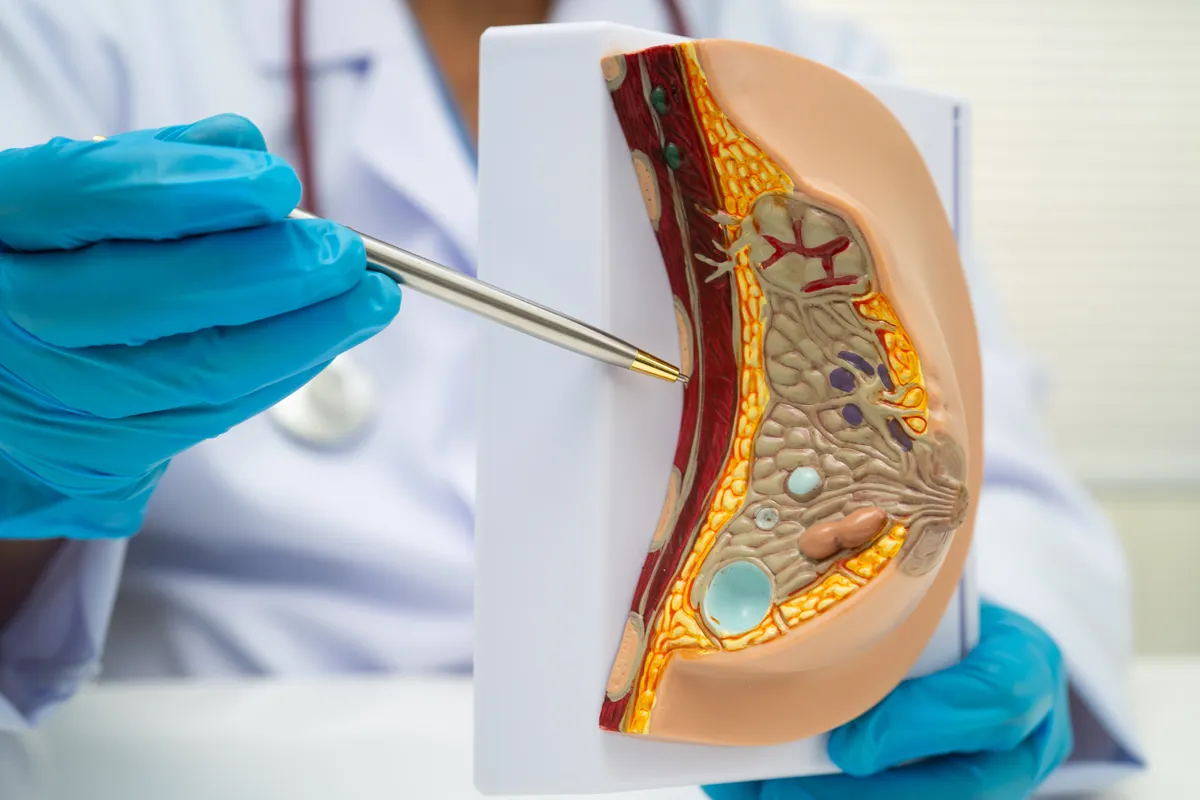
The same implant can sit differently on different bodies. Assessing your existing breast anatomy helps the surgeon set realistic expectations about what an implant can achieve before narrowing the options.
Breast Width Determines the Suitable Width Range
The surgeon measures the base of the breast to determine which implant widths can fit within its natural boundaries. An implant that is too wide may extend beyond the breast and affect the final contour.
Once the width range is established, the surgeon considers profile, which affects how far the implant projects forwards. For the same volume, a higher-profile implant generally has a narrower base and more projection, while a lower-profile implant is wider and projects less.
Tissue Thickness Affects Implant Coverage
The amount of natural breast tissue affects how well the implant is covered. When there is less tissue, implant edges or folds may be easier to see or feel beneath the skin.
This can limit the implant dimensions that may be suitable when tissue coverage is limited. With thicker tissue, the implant may be less noticeable beneath the breast, allowing greater flexibility in the dimensions considered.
Breast Asymmetry May Require Different Implant Dimensions
If one breast has less volume than the other, different implant sizes may be considered to reduce the difference between the two sides. The surgeon also looks at whether the breasts differ in width, as this can affect which implant dimensions fit each side.
Not every asymmetry can be corrected through implant selection. If one nipple sits lower or the crease beneath one breast is at a different height, changing the implant alone may not correct that difference.
Skin Support Limits What Implant Volume Can Achieve
Skin that has stretched after pregnancy or weight changes may provide less support for an implant. Choosing a larger implant simply to fill loose skin can add volume without lifting breast tissue that already sits lower.
The surgeon therefore looks at whether added volume alone can create the intended shape. If the breast or nipple sits significantly lower, an implant may improve fullness but may not correct the position.
Gain Clarity on Which Breast Implant May Suit You at SW1 Plastic Surgery
You may have an idea of the breast size or shape you would prefer without knowing how that translates into a particular implant. Implant volume alone does not tell you how the result will look, and an option that suits one person may sit differently on another body. An assessment can help narrow the available choices based on your existing breast anatomy and determine which implant characteristics may be better suited to the change you hope to achieve.
At SW1 Plastic Surgery, Dr Tan Ying Chien and Dr Wu Yijun can assess your breasts and discuss the implant options that may be suitable for your preferred result. Contact the clinic to arrange a consultation about your implant options.
FAQs About Breast Implant Selection
Can 3D imaging show exactly how a breast implant will look?
3D imaging may be used to simulate how different breast implant options could look on the body. However, these images are a visual guide rather than an exact prediction of the final result after surgery.
Can I change my preferred implant size after the consultation?
If your preference changes before surgery, discuss it with your surgeon rather than assuming a different implant will still be suitable. Any revised choice should still take into account your anatomy and the result you hope to achieve.
What information should I request about the recommended implant?
You can ask which implant model is being recommended and review the manufacturer’s patient information. This can help you understand the implant and its potential risks before deciding whether you are comfortable with the proposed option.
Meet Our Doctors
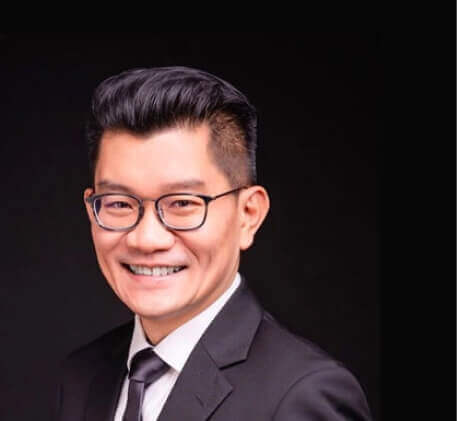
Dr Tan Ying Chien
MRCS (Edinburgh)
FAMS (Plastic Surgery)
Dr Tan Ying Chien is an experienced plastic surgeon since 1996, who trained in Singapore, Taiwan, and Japan, where he developed his skills in cleft, jaw, and cosmetic surgery, with a special interest in breast augmentation surgery.
His meticulous nature and passion for aesthetics led him into the field of plastic surgery, where he tailors cosmetic breast surgeries to each patient’s physique. With a patient and warm-hearted approach, Dr Tan is well respected by both his peers and patients.
Dr Tan is also a passionate volunteer who provides pro bono ear reconstructive surgery for needy patients at both KK and SGH. He is part of Operation Smile, a charitable organization that organizes medical missions to help children suffering from cleft lip and palate deformities.
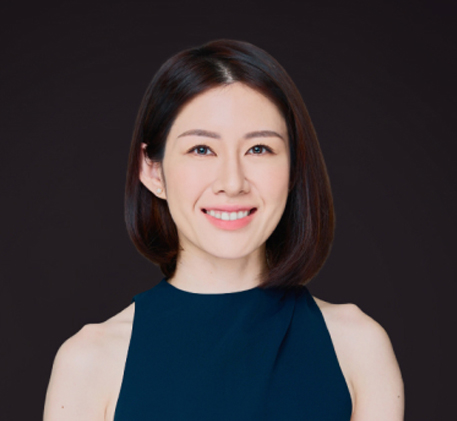
Dr Wu Yijun
MRCS (Edinburgh)
FAMS (Plastic Surgery)
Dr Wu Yijun is an MOH-accredited plastic surgeon with over 15 years of experience in reconstructive and aesthetic surgery. She has a special interest in reconstructive microsurgery and aesthetic breast surgery, combining technical precision with a personalised approach to help women achieve natural-looking results.
Dr Wu has undertaken advanced training in America, South Korea, Taiwan and Japan to further develop her expertise in reconstructive and aesthetic surgery. She is also passionate about medical education, having served as a core faculty member in the National Plastic Surgery Residency Programme and received the SingHealth Residency in SingHealth Excels (RiSE) Outstanding Faculty Award. Dr Wu continues to serve as a Visiting Consultant at Woodlands Hospital while advocating holistic, patient-centred care.
to enhance the appearance of each individual’s bust.
Send us an enquiry today.
Mon - Fri | : 9am-5pm |
Saturday | : 9.30am-12.30pm |
Sunday & Public Holiday | : Closed |
| Tel | : +65 6690 2471 |
| : +65 8299 7588 |