How Do Surgeons Decide If Breast Fat Grafting Is Suitable?
Dr Tan Ying Chien
MBBS, MMed (Surgery), MRCS (Edinburgh)
FAMS (Plastic Surgery)

Dr Wu Yijun
MBBS, MMed (Surgery), MRCS (Edinburgh)
FAMS (Plastic Surgery)
Using your own fat to enhance breast shape can be an appealing option, especially if you prefer a subtle change without implants. The next question is whether fat grafting can realistically produce the result you have in mind.
Not everyone seeking breast enhancement will be equally suited to the procedure. A surgical assessment can help determine whether breast fat grafting is appropriate for you and what may be achievable based on your individual circumstances.
Can Fat Grafting Produce the Intended Breast Change?
The first consideration is whether fat grafting can achieve the type and degree of breast enhancement you are looking for. Unlike implants, the amount of volume that can be added depends partly on how much transferred fat the breast tissues can support.
How Much Volume Can Be Added Safely?
Transferred fat cells need to establish a blood supply within the breast tissue. The surgeon therefore limits the volume placed according to what the tissues can accommodate. Adding too much may reduce fat survival and make the final result less predictable.
For this reason, fat transfer breast augmentation is generally better suited to modest increases in breast volume. Some transferred fat is also naturally reabsorbed during healing, so the final volume is less predictable than with an implant of a selected size.
Where Can Fat Be Used to Refine the Breast?
Fat can be placed selectively to restore fullness in a particular area or improve a mild difference between the breasts. This can be useful when the desired change mainly involves volume to specific areas rather than increasing the overall breast size substantially.
However, adding volume alone may not achieve the desired result when significant sagging or loose skin is the main concern. The surgeon will therefore assess whether fat grafting can address the concern itself or whether a different surgical approach may be more appropriate.

What Does the Surgeon Assess in Your Donor Areas?
Visible body fat is only a starting point. A suitable donor area must provide enough tissue for transfer while retaining a balanced contour after harvesting.
Can Enough Fat Be Harvested Safely?
Not all visible fat is necessarily suitable for harvesting. The surgeon must leave enough tissue beneath the skin to reduce the risk of dents or uneven contours after liposuction. Skin quality in the donor area may also affect how much fat can be removed safely.
The usable amount may therefore be lower than expected based on appearance alone. If too little suitable donor fat is available, fat grafting may not provide enough volume to achieve the desired breast enhancement.
How Fat Distribution Affects the Plan
Two people at the same weight may have very different amounts of usable donor fat. One may carry a concentrated deposit around the abdomen, while another may have smaller deposits spread across different parts of the body.
This is why the surgeon assesses the available donor areas rather than determining suitability based on body weight alone.
What Breast and Health Factors Influence the Decision?
A technically possible fat transfer is not always an appropriate one. The assessment must also protect breast health and consider how the existing tissues may affect the result.
Existing Breast Shape and Skin Support
Existing breast shape and tissue distribution influence where fat can be added and how that added volume may affect the overall contour. Skin support and nipple position are also considered, particularly when the concern involves sagging rather than a lack of volume.
Previous breast surgery may affect the plan as well, as internal scarring can limit suitable injection areas or influence how evenly the transferred fat can be distributed.
Health and Other Factors That May Affect the Procedure
Your medical history helps the surgeon identify factors that may affect surgery or healing. Smoking is relevant because nicotine can restrict blood flow, which may interfere with fat survival and wound healing.
Weight stability is another consideration. The fat that remains after healing continues to behave like fat elsewhere in the body, so noticeable weight loss or gain can alter breast volume and appearance after the procedure.
Depending on your age or clinical findings, further breast assessment may be advised before elective surgery. Future pregnancy plans may also affect the timing of fat grafting, as pregnancy and breastfeeding can subsequently change breast volume and skin support.
Discuss Your Breast Fat Grafting Options at SW1 Breast Clinic
Breast fat grafting can offer a more subtle approach to breast enhancement, but whether it is the right option depends on more than your preference for using your own fat. A surgical assessment can help you understand whether the procedure is likely to support the change you want and where its limitations may lie before you decide how to proceed.
At SW1 Breast Clinic, Dr Tan Ying Chien and Dr Wu Yijun can assess whether fat grafting is appropriate for the breast change you are considering and discuss what you can realistically expect from the procedure. Book an appointment to explore your suitability.
FAQs About Suitability for Breast Fat Grafting
Can previous liposuction affect suitability for breast fat grafting?
Previous liposuction may reduce the amount of fat available in a treated area or leave internal scarring that affects further harvesting. A surgeon can examine that area and determine whether another donor site may provide suitable fat.
How soon after breastfeeding can breast fat grafting be considered?
Assessment is generally more useful after breastfeeding has ended and the breasts have had time to stabilise. The appropriate timing varies, particularly if breast volume or body weight is still changing, so a surgeon should advise you based on your recovery.
Can regular medication affect suitability for breast fat grafting?
Some prescription medicines and supplements can affect bleeding, anaesthesia or healing. Tell the surgeon about everything you take, including non-prescription products. Do not stop any medication unless the prescribing doctor or surgical team advises you to do so.
Dr Tan Ying Chien
MRCS (Edinburgh)
FAMS (Plastic Surgery)
Dr Tan Ying Chien is an experienced plastic surgeon since 1996, who trained in Singapore, Taiwan, and Japan, where he developed his skills in cleft, jaw, and cosmetic surgery, with a special interest in breast augmentation surgery.
His meticulous nature and passion for aesthetics led him into the field of plastic surgery, where he tailors cosmetic breast surgeries to each patient’s physique. With a patient and warm-hearted approach, Dr Tan is well respected by both his peers and patients.
Dr Tan is also a passionate volunteer who provides pro bono ear reconstructive surgery for needy patients at both KK and SGH. He is part of Operation Smile, a charitable organization that organizes medical missions to help children suffering from cleft lip and palate deformities.
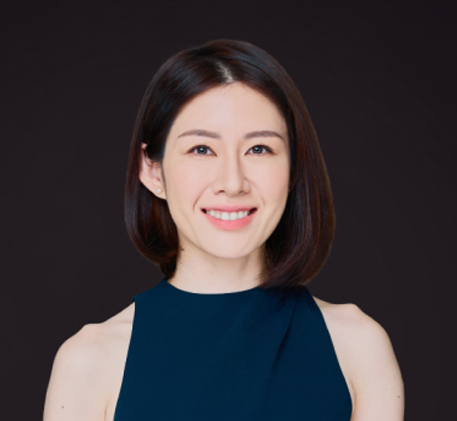
Dr Wu Yijun
MRCS (Edinburgh)
FAMS (Plastic Surgery)
Dr Wu Yijun is an MOH-accredited plastic surgeon with over 15 years of experience in reconstructive and aesthetic surgery. She has a special interest in reconstructive microsurgery and aesthetic breast surgery, combining technical precision with a personalised approach to help women achieve natural-looking results.
Dr Wu has undertaken advanced training in America, South Korea, Taiwan and Japan to further develop her expertise in reconstructive and aesthetic surgery. She is also passionate about medical education, having served as a core faculty member in the National Plastic Surgery Residency Programme and received the SingHealth Residency in SingHealth Excels (RiSE) Outstanding Faculty Award. Dr Wu continues to serve as a Visiting Consultant at Woodlands Hospital while advocating holistic, patient-centred care.
to enhance the appearance of each individual’s bust.
Send us an enquiry today.
Mon - Fri | : 9am-5pm |
Saturday | : 9.30am-12.30pm |
Sunday & Public Holiday | : Closed |
| Tel | : +65 6690 2471 |
| : +65 8299 7588 |